

Most homeowners think of a renovation as construction. The demolition, the framing, the tile going in, the cabinetry being installed - that is the part they can picture, the part they can plan around, the part they expect will take real time.
What most homeowners underestimate is everything that happens before construction begins.
The planning phase - the time between the first conversation and the day the first wall comes down - is where the real shape of a renovation is decided. It is where the design gets developed, the selections get made, the scope gets defined, and the pricing gets established based on what is actually being built. And it is where the difference between a smooth renovation and a difficult one is often decided long before anyone picks up a hammer.
This guide is designed to walk you through what actually happens during a well-run planning phase, why it matters, and what you can expect from the process if you go through it properly.
Use the links below to navigate to the sections that interest you:
Why Planning Deserves More Attention Than It Gets
The renovation industry has trained homeowners to think of planning as something small and quick - a walkthrough, a quote, maybe a few sketches, and then let's get started.
The reality of a well-planned renovation is very different.
A significant renovation involves a wide range of decisions - from layout and materials to mechanicals and finishes - with many of them connected to one another. Trying to work through those decisions during construction, when the pressure is on and the clock is running, is one of the most common reasons renovations run over budget, run over time, or deliver a finished result that feels compromised.
Planning is what prevents that. Done properly, it front-loads the decisions, resolves the uncertainty, and creates a foundation the entire project is built on.
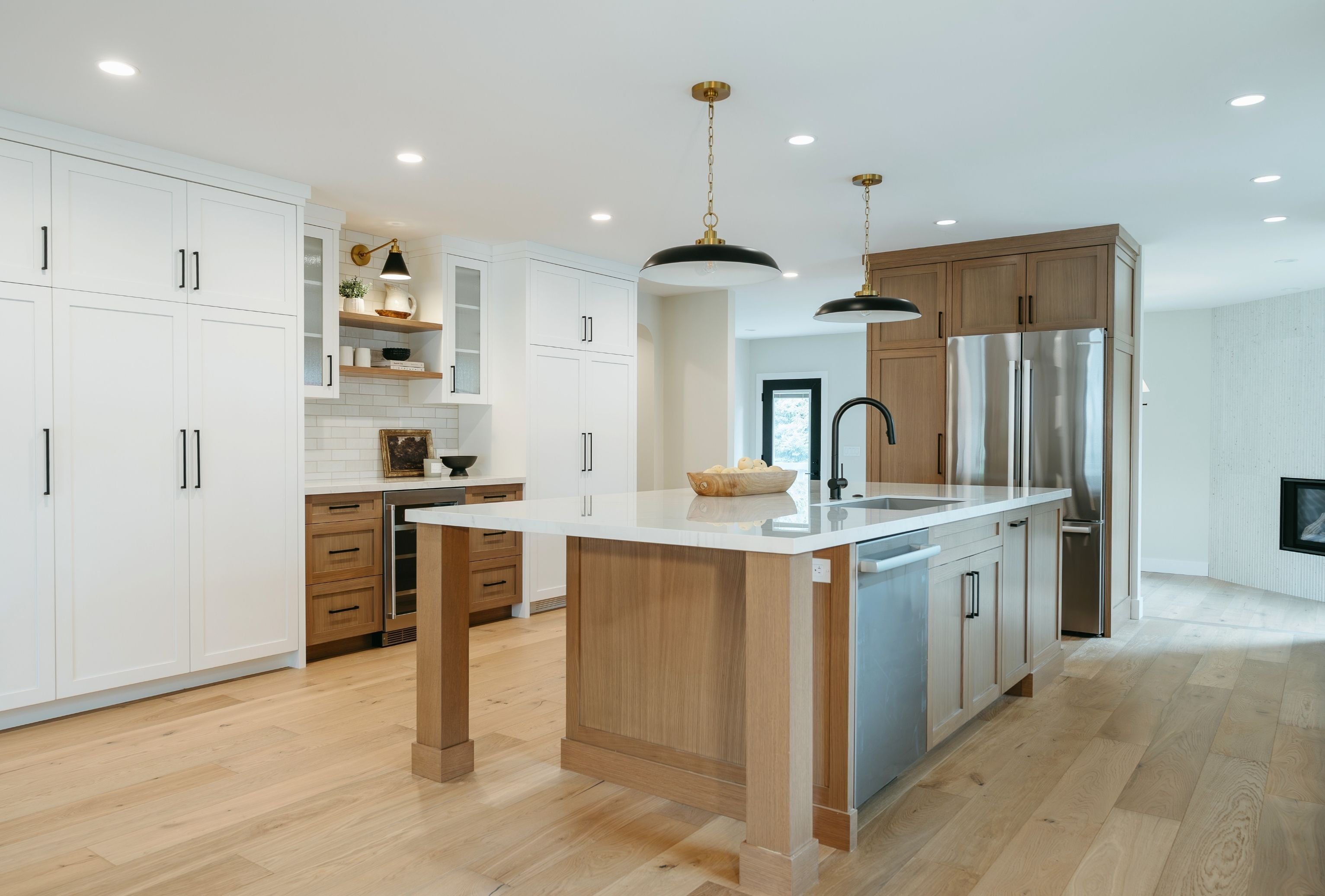
What a Well-Run Planning Phase Actually Includes
There is no single template for planning - every project is different, and the depth of planning depends on the scope. But there are several key activities that a well-run planning phase includes.
Understanding the Home and the Goals
Before any design work begins, there needs to be a real understanding of the home itself and what the homeowner is trying to accomplish.
That includes an assessment of the existing space, its structural and mechanical realities, and the constraints and opportunities it presents. It also includes a much deeper conversation about how the homeowner actually lives, what is not working about the current home, and what a successful renovation would ultimately look like for them.
This is not a quick meeting. It is the foundation everything else is built on.
Developing the Design
Once the goals are clear, the design gets developed. This may involve working with your own designer, working with a designer we collaborate with, or working within the design direction you have already established.
The design phase is where the layout gets resolved, the aesthetic direction takes shape, and the key decisions about how the space will look and function get worked through. For larger projects, this may include drawings, elevations, and design concepts. For more contained projects, it may be more focused but no less important.
Working Through the Selections
Selections are the material and product decisions that shape the finished space - cabinetry style, countertop material, tile, plumbing fixtures, hardware, lighting, flooring, appliances, and finishes throughout the home.
These decisions have real consequences for both the design and the pricing. Working through them properly during the planning phase means they are resolved before construction starts, not made under pressure once the project is underway.
Confirming the Scope and Structural Considerations
For any renovation involving layout changes, structural modifications, or mechanical upgrades, the planning phase is where those decisions get confirmed. Walls being removed, plumbing being relocated, electrical being upgraded, HVAC being reworked - these are decisions that need to be worked through carefully, often with engineering support, before pricing can be finalized.
For projects requiring permits, the planning phase is also where drawings and documentation get prepared for submission.
Establishing Real Pricing
This is one of the most important outcomes of a well-run planning phase. Once the design is developed, the selections are made, and the scope is confirmed, the project can be priced based on what is actually being built - not based on assumptions.
The difference between an early estimate and a real project price is significant. Early estimates are useful for high-level conversations, but they are based on averages and assumptions. A real project price is based on the specific design, the specific selections, and the specific coordination the project actually requires. It is the number the project will actually cost - because it reflects the project that is actually being built.
Coordinating Trades and Scheduling
The planning phase is also where the construction schedule gets built. That means engaging the trades that will be involved, confirming their availability, sequencing the work in the right order, and identifying the long-lead materials that need to be ordered early to avoid delays.
By the time construction begins, everyone knows what they are doing, when they are doing it, and how their work fits into the broader project.
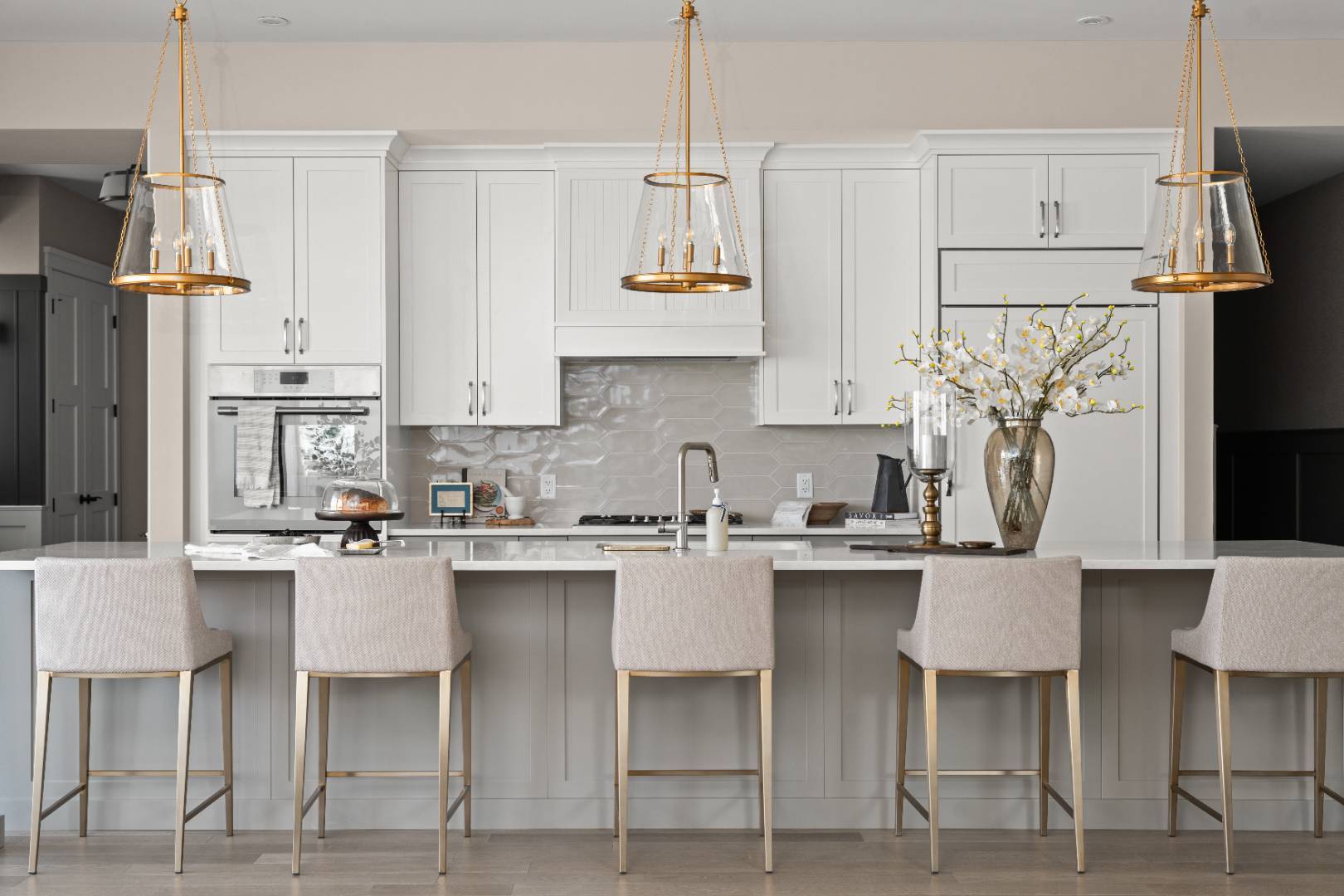
What the Planning Phase Protects You From
There are a few specific outcomes that a well-run planning phase is designed to prevent.
Pricing surprises during construction.
When pricing is based on assumptions, those assumptions get tested during the build - and the gap between the early number and the final number is often significant. A properly planned project produces pricing that reflects what is being built, which means far fewer surprises once construction is underway.
Decisions made under pressure.
When key design and material decisions are pushed into the construction phase, they get made quickly, often reactively, and often with less time to consider the trade-offs. This is one of the most common reasons homeowners end up with finished results that feel compromised. Planning resolves these decisions before the pressure is on.
Coordination breakdowns.
When trades arrive without clear direction, when materials are not on site when they need to be, or when one part of the project is not sequenced properly with another, the timeline suffers and the quality often does too. Planning is what makes coordination work.
Scope creep and change orders.
Renovations that begin without a clearly defined scope tend to grow throughout the build - new decisions, added work, scope changes that were not accounted for. Each of these adds cost and time. A well-defined scope at the start creates a clear reference point that both the homeowner and the builder can work from.
A finished result that drifts from the vision.
Perhaps the most important outcome of good planning is that the finished renovation reflects what was actually planned. When the design is fully resolved, the selections are locked in, and everyone is aligned on what is being built, the finished project stays true to the original vision.
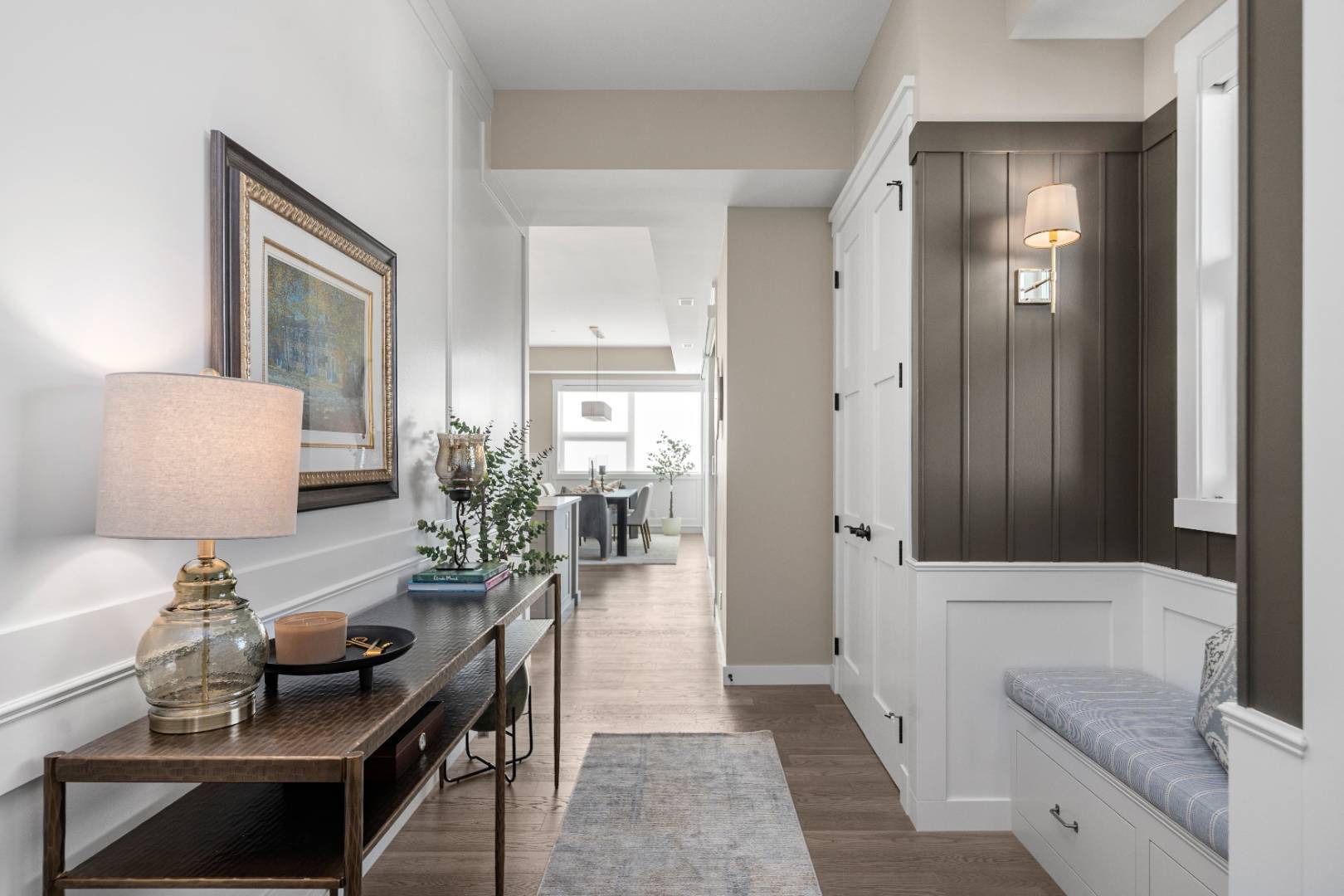
What This Requires From You as a Homeowner
The planning phase works best when the homeowner is engaged in it. That does not mean being available every day - but it does mean being ready to make decisions when they need to be made, being open to guidance on questions you are not sure about, and understanding that the time invested in planning is what makes the rest of the project run smoothly.
The most successful projects we work on have one thing in common: the homeowners treated the planning phase as the most important part of the project, not a formality to get through on the way to construction.
The Time Investment
A well-run planning phase typically takes anywhere from two to six months depending on the scope of the project, the complexity of the design, and how quickly decisions are made along the way.
That can feel like a long time when you are eager to see construction begin. But that time is not delay - it is investment. Every week spent resolving decisions during planning is a week that does not need to be spent solving problems during construction.
The homeowners who understand this at the start have the smoothest renovation experiences. The ones who resist it often end up wishing they had spent more time in planning, not less.
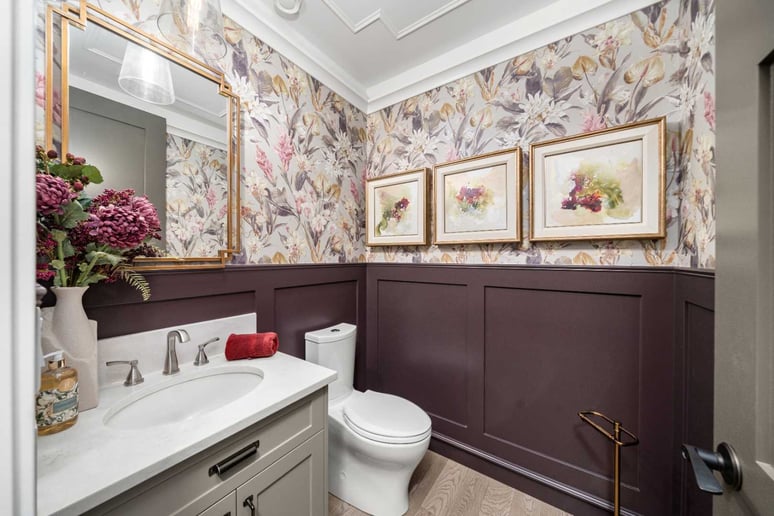
What This Looks Like at Kavaleer
At Kavaleer, planning is not something we do quickly to get to the construction phase. It is a structured process - one that begins with our initial consultation and continues through design development, selections, scope confirmation, and pricing.
Our Planning Agreement is the formal structure that allows this work to happen properly. It is what protects the depth of the planning process, ensures the right resources are brought to the project at the right time, and gives you a clear reference point for what is being built before construction begins.
By the time we are ready to sign a construction contract, the project is fully defined. The design is resolved, the selections are made, the pricing reflects the actual scope, and the schedule is built. There is no ambiguity, no last-minute decisions, no gap between what was expected and what is being built.
That is what a well-run planning phase produces.
Planning a Major Renovation?
If you are considering a significant renovation in Calgary and want to understand what a proper planning process would look like for your project, we would be glad to have that conversation.
The best starting point is a consultation where we can learn more about your home, your goals, and what the planning phase would involve based on your specific project.